Publications

Books, catalogues and research that extend Krishna Lal’s curatorial legacy.

The scholarship behind Krishnayan is rooted in decades of museum practice, research, writing and exhibition work. These publications reflect a long commitment to documenting Indian art, textiles, decorative traditions and cultural history.

Peacock in Indian Art, Thought and Literature

Selected Titles

A representative bibliography tied to decorative arts, textiles and museum culture.

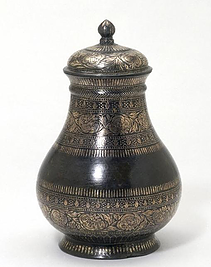
Bidriware in the National Museum Collection, New Delhi

Bidriware in the National Museum Collection, New Delhi

Bidriware is a metal handicraft from Bidar. It was developed in the 14th century during the rule of the Bahamani Sultans. The term "Bidriware" originates from the township of Bidar, which is still the chief center for the manufacture of the unique metalware. Due to its striking inlay artwork, Bidriware is an important export handicraft of India and is prized as a symbol of wealth. The metal used is a blackened alloy of zinc and copper inlaid with fine sheets of pure silver.

This catalogue documents representative works in the National Museum collection, where Bidri is preserved alongside other decorative arts holdings including ivories, woodwork, jewellery and textiles. It frames the collection within the museum’s broader role in publishing focused catalogues of specific categories.
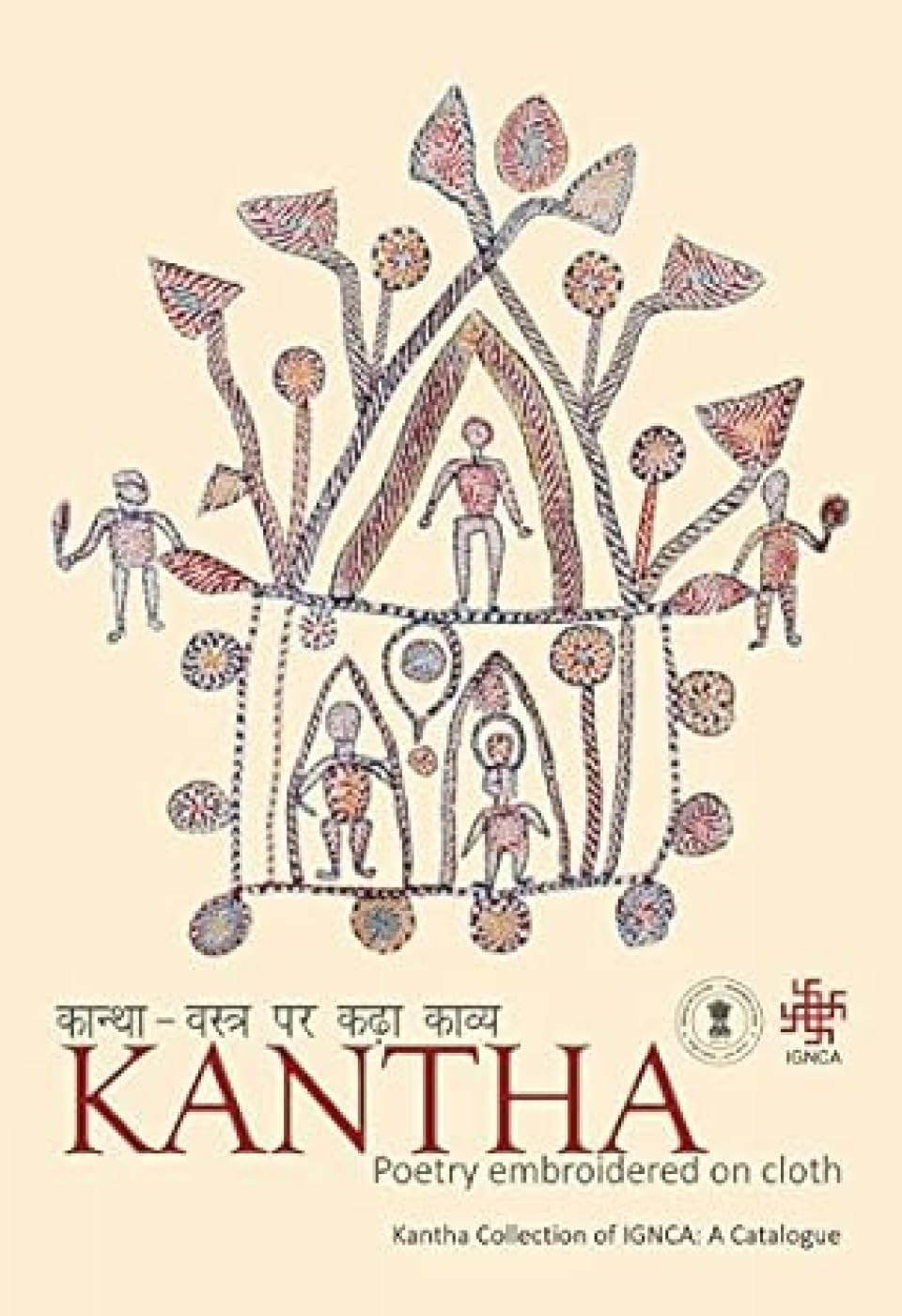
Kantha: Poetry Embroidered on Cloth

Kantha: Poetry Embroidered on Cloth

Kantha is a type of embroidery popular in eastern South Asia, especially Bangladesh and the Indian states of West Bengal and Odisha. In Odisha old saris are stacked on each other and hand-stitched to make a thin piece of cushion. Kantha stitching is also used to make simple quilts. Women in Bengal typically use old saris and cloth and layer them with Kantha stitch to make a light blanket, throw, or bedspread, especially for children.

ISBN: 8124608288, 978-8124608289

Published: August 27, 2015

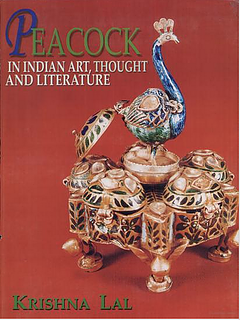
Peacock in Indian Art, Thought and Literature

Peacock in Indian Art, Thought and Literature

The national bird of India, the peacock has long captured the imagination of Indian artisans with its grace, form and color. From the Harappan period to the present day, it has appeared across artistic traditions as a sacred bird, the mount of Kartikeya and a recurring symbol in miniature painting and decorative arts.

This monograph studies the peacock across its habitat, history, mythology, literature, visual forms, uses and even medicinal references in ancient texts, supported by 107 selected illustrations and 25 sketches showing its presence across Indian art forms.

ISBN: 8170174295, 9788170174295

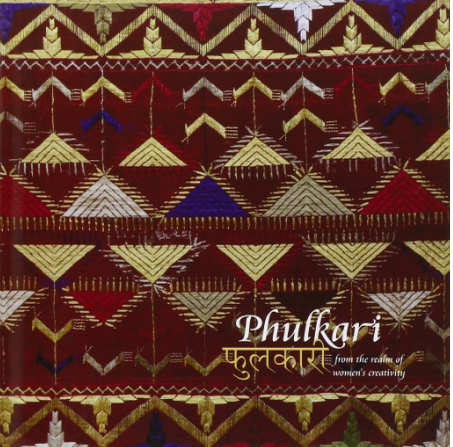
Phulkari: From the Realm of Women's Creativity

Phulkari: From the Realm of Women’s Creativity

Phulkari embroidery technique is from the Punjab region. At one time the word was synonymous with embroidery. It clearly means flower work and is referred to as embroidered shawls and scarfs.

ISBN: 8173054657, 9788173054655

Published: December 1, 2013

Available via Amazon and other major booksellers.

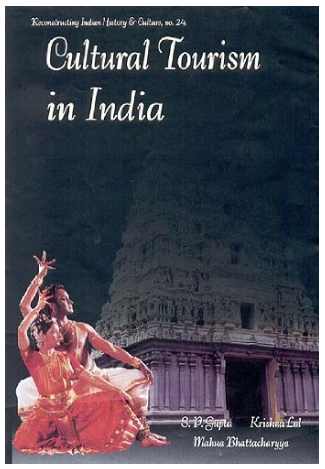
Cultural Tourism in India: museums, monuments & arts: theory and practice

Cultural Tourism in India: museums, monuments & arts: theory and practice

The book explores various facets of Indian social and cultural thought and life that make the country an attractive tourist destination, including people, history, arts, food, customs and lifestyle.

It includes discussions on tourism, tourism-related organisations and conventions, eco-tourism, India’s wildlife scenario, pilgrimage places, festivals, scenic beauty and the historical breadth of the country’s monuments and cultural sites.

ISBN: 8124602158, 9788124602157

Additional contributions

Krishna Lal has also contributed to titles on Indian decorative arts, cultural tourism and museum collections, including collaborative volumes and exhibition-related scholarship developed over the course of her career.

Peacock in Indian Art, Thought and Literature

One of the recurring cultural threads in Krishna Lal’s research is the peacock motif: a symbol of beauty, royalty, auspiciousness and divine association across Indian traditions. The theme moves across painting, textile, craft, architecture and performance.

Why it matters to Krishnayan

The peacock becomes a useful lens for understanding the brand itself: a single motif that can appear in Gond, Madhubani, Pichhwai, Kantha, pottery, tableware, dupattas and contemporary decor while still carrying deep cultural memory.