Embroidered traditions
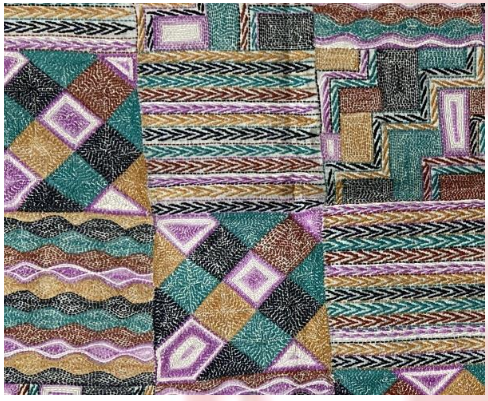
Kantha, Phulkari and Zardosi bring tactile richness, stitch-led storytelling and ornamentation into scarves, apparel, cushions, fabrics and interior accents.
Collections
Krishnayan works across embroidered, painted and dyed traditions from different regions of India, adapting them into textiles, decor, art objects and collectible surfaces for a modern audience.
Core Categories
Kantha, Phulkari and Zardosi bring tactile richness, stitch-led storytelling and ornamentation into scarves, apparel, cushions, fabrics and interior accents.
Madhubani, Saura, Tanjore, Gond, Pichhwai, Patachitra, Baburnama and Padshahnama offer a wide spectrum of figurative, devotional, tribal and courtly visual languages.
Chintz and Bandhani expand the collection vocabulary into pattern, color and surface treatment, suitable for both fashion and home-led applications.
Art Forms
Traditionally practiced by rural women using running stitch, Kantha now extends across sarees, dupattas, garments and furnishing fabrics in cotton and silk.
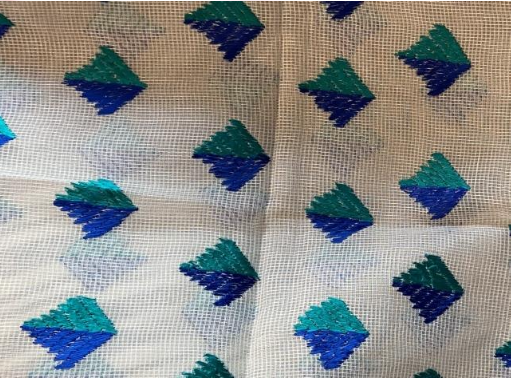
Known for floral and geometric motifs worked in colored silk thread, Phulkari introduces celebratory color and stitch density into textiles and statement pieces.
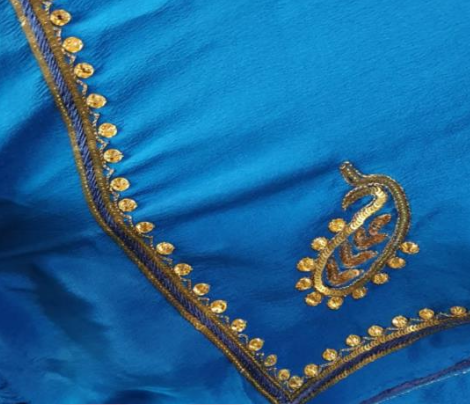
Heavy metallic embroidery with gold and silver thread, often enriched with pearls and embellishment, lending ceremonial richness to garments and household textiles.
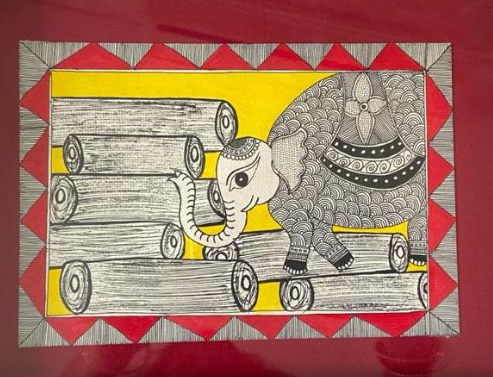
A women-led rural painting tradition from Mithila, often centered on deities, nature and ritual life, created with stylized linework and symbolic imagery.
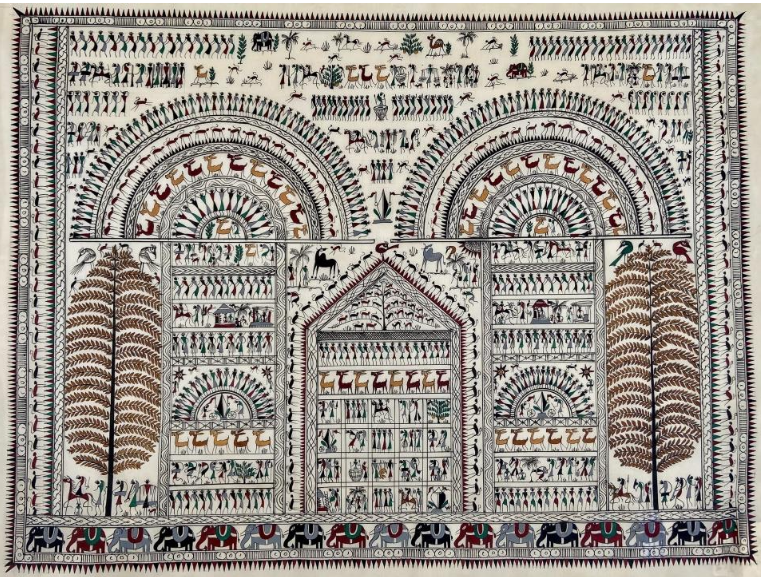
Tribal wall-painting language with ritual significance, featuring symbol-rich scenes of people, animals, celestial forms and the tree of life.
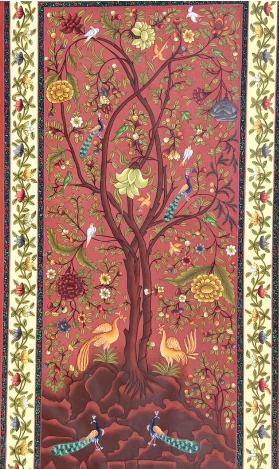
Derived from the Hindi chint, meaning spotted or variegated, Chintz evolved from floral calico decoration into a broader decorative language seen across textiles, pottery and wallpaper. Its white base, floral compositions and animal prints often reflect Indian-European design exchange and Mughal visual influence.
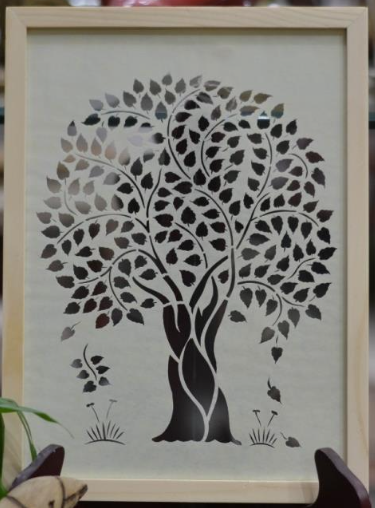
Sanjhi is the paper-cutting art of Mathura, known not only for its delicate visual beauty but also for its spiritual expression. Developed around the 16th and 17th centuries for temple walls and floors, it often depicts Indian mythological narratives, especially Krishna leela.
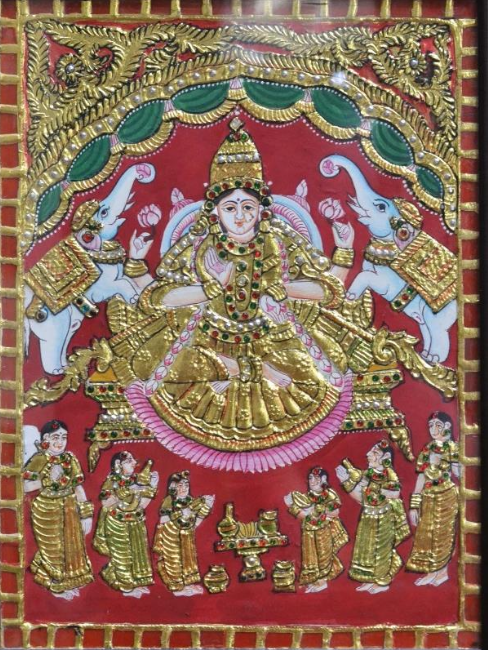
Classical South Indian painting marked by ornamentation, rich color, devotional themes and the use of gold foil and textured embellishment.
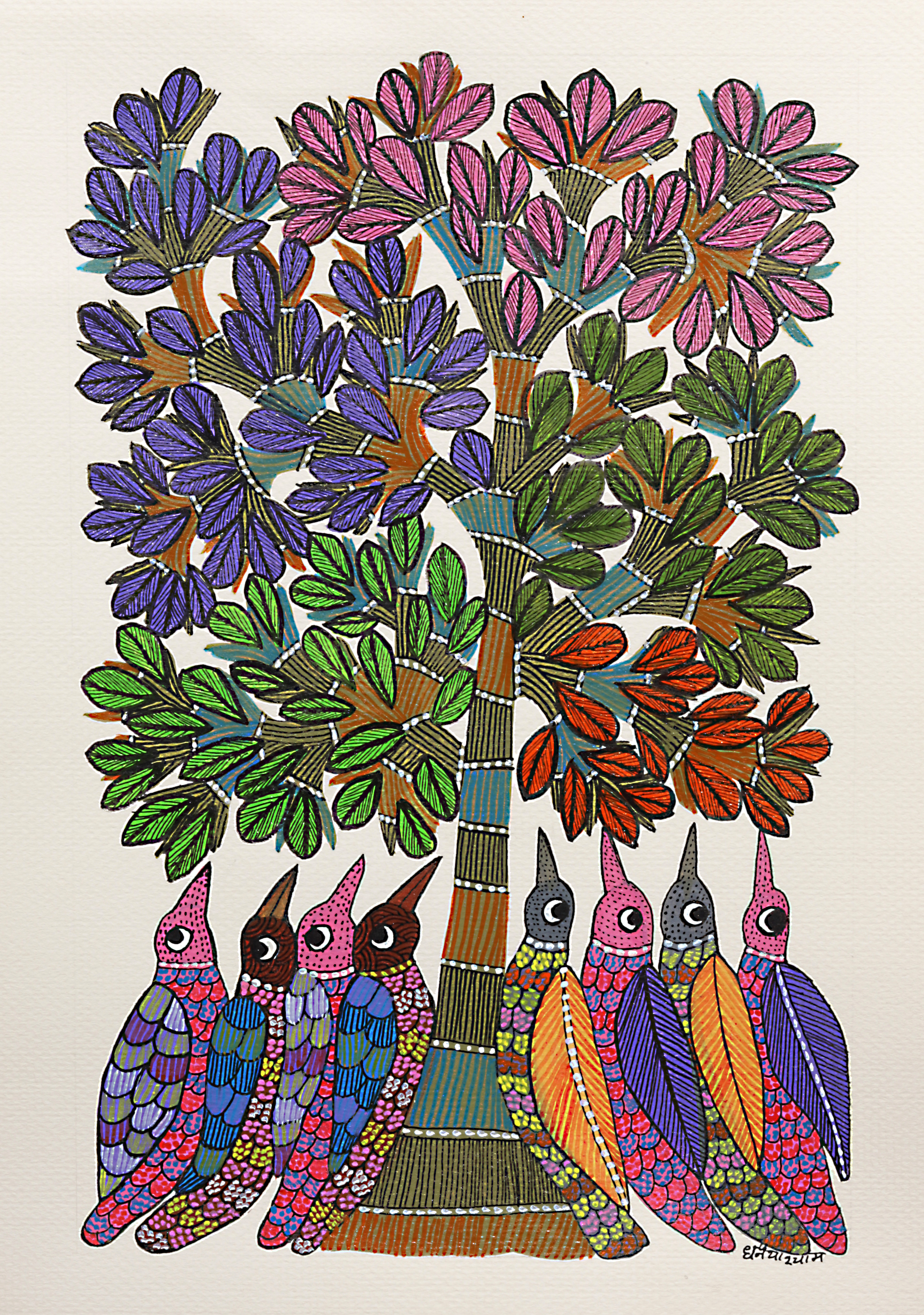
An enchanting tribal form built through lines, dots and natural imagery, often associated with luck, vitality and a close relationship between people and the natural world.
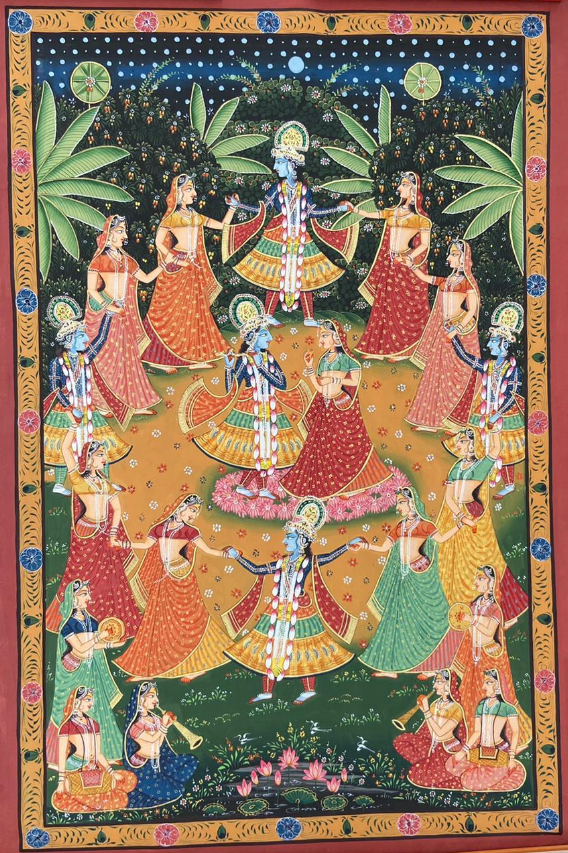
Devotional painting associated with Nathdwara, depicting Krishna in changing forms, moods and attire on paper or cloth, often used in sacred and domestic settings.
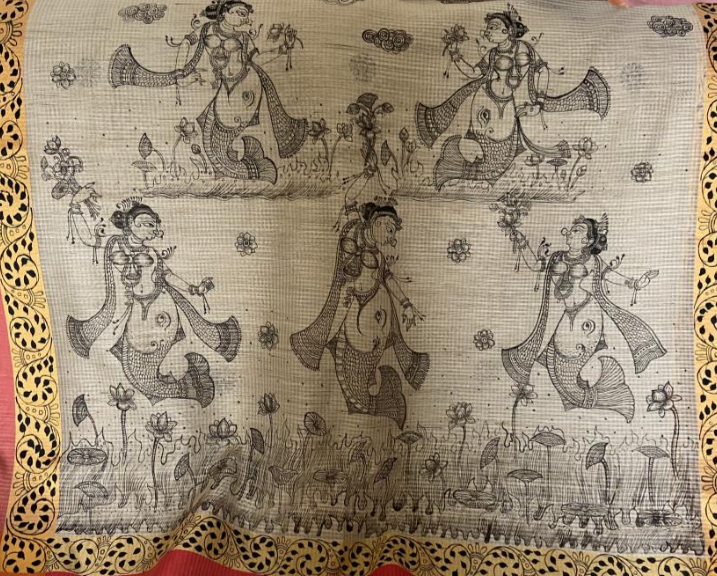
A highly detailed narrative painting tradition centered on the Jagannath temple world and scenes from the Ramayana and Mahabharata.
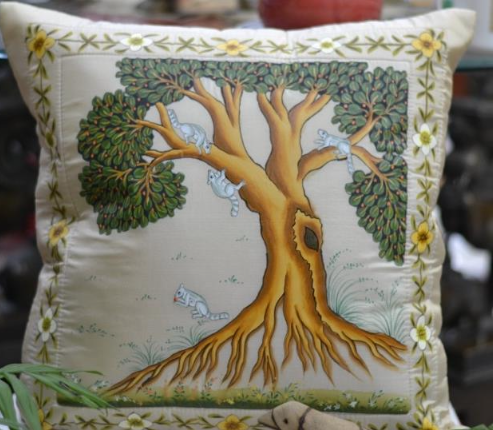
A Mughal visual language inspired by the memoirs of Babur, bringing courtly history and illustrated manuscript culture into decorative reinterpretation.
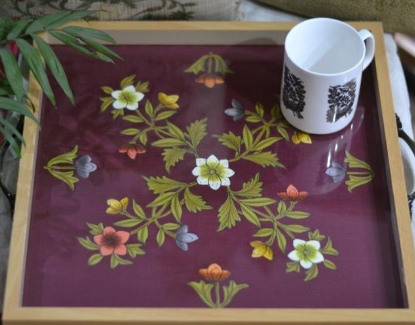
Drawn from the illustrated chronicles of Shah Jahan’s reign, this artform channels the opulence and historical detail of Mughal manuscript traditions.
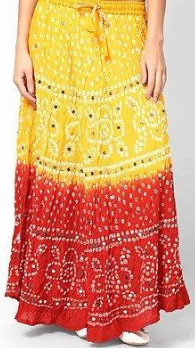
A skilled hand-tied and hand-dyed textile process known for pattern variation, vibrant color combinations and strong relevance across fashion and textile-led collections.
Paintings Catalogue
A separate paintings page highlights selected works and painting traditions from the catalogue in a more gallery-like format.
