A motif that travels easily across mediums
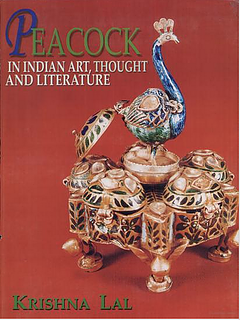
One reason the peacock remains so enduring is that it moves naturally across different forms of making. It can become a painted figure in miniature art, a repeated border on cloth, a central embroidery form, a ceramic accent or a decorative presence in contemporary interiors.
That flexibility allows the motif to remain recognizable while constantly changing style. A peacock in a manuscript tradition does not behave visually in the same way as one in Gond or Madhubani-derived decor, yet the symbolic pull remains intact.
Mythology, devotion and emotional meaning
In Indian traditions the peacock is linked to divinity, especially through Kartikeya, and it also appears in poetic and visual narratives of longing. This gives the motif a rare combination of sacred resonance and emotional expressiveness.
Because of that, the bird can signify more than beauty. It can stand for presence, for absence, for monsoon expectation or for an idealized abundance of nature. Decorative use and cultural meaning sit together rather than apart.
Why it still matters in contemporary design
Modern craft-led design often searches for motifs that feel both culturally grounded and visually persuasive. The peacock offers exactly that. It is instantly legible, rich in color possibilities and already embedded in the memory of Indian art.
At Krishnayan, motif-driven objects are strongest when they do more than repeat a pretty shape. They become more compelling when they preserve the symbolic life of the image as it moves into cushions, textiles, tableware or framed art.
