
Two traditions, two textile worlds
Kantha is closely associated with Bengal and parts of eastern South Asia, where old cloth is layered and stitched into light quilts, wraps and domestic textiles. Its visual language often grows from running stitch, repetition, everyday use and the gradual accumulation of memory on cloth.
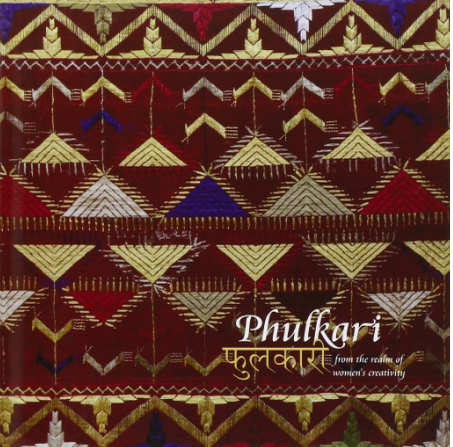
Phulkari belongs to the Punjab region and is more immediately associated with surface richness, radiant geometry and a strong connection to embroidered shawls, scarfs and celebratory textile culture. Where Kantha can feel intimate and narrative, Phulkari often declares itself through luminous pattern and expansive stitched fields.
How the stitch logic changes the surface
One of the simplest ways to read the difference is to look at how the surface is built. Kantha often reveals hand rhythm: the movement of stitch across reused cloth, the softness of layered material and the quiet density of a textile made to live with.
Phulkari, by contrast, tends to work through broader visual presence. It creates impact through repeated shapes, reflective thread play and an overall field that can transform a textile into an object of celebration, identity and memory.
Why both matter today
Contemporary design often borrows from these traditions without naming them carefully. A better reading restores context. Kantha reminds us of domestic reuse, women’s labor and poetic economy; Phulkari speaks to ceremonial presence, regional identity and the emotional life of embroidered cloth.
For Krishnayan, this distinction matters because the value of a textile does not sit only in its beauty. It also lies in the history carried by stitch, the region that shaped it and the way craft continues to move between museum knowledge and contemporary living.
